Democracy’s Unpaid Shift: How Consultations Became a Stamina Test
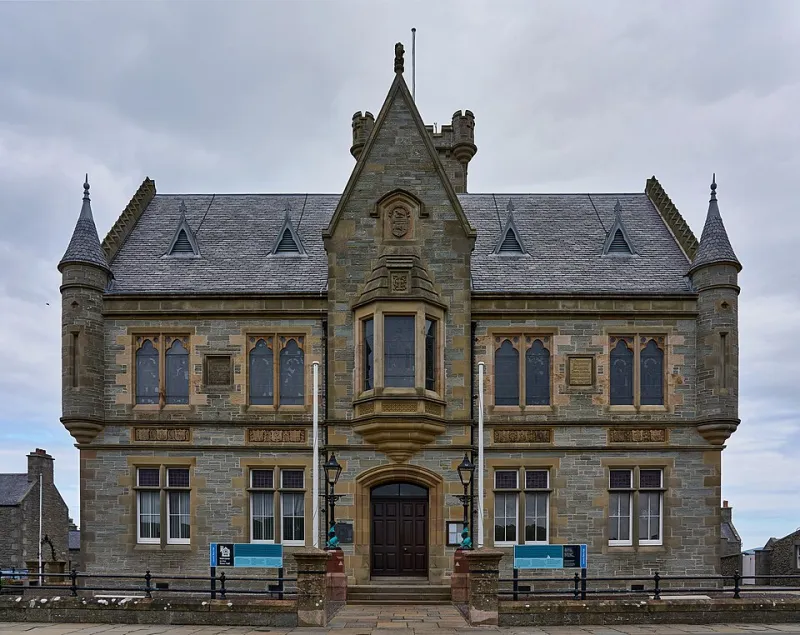
Photo: Virtual-Pano, CC BY-SA 4.0, via Wikimedia Commons
Open the average council website and you will find a tab called Have Your Say. It sounds welcoming. In practice, it is often the front door to an unpaid second job.
Public consultations have become one of the strangest rituals in British public life. A department or local authority announces that it is listening. Residents are invited to comment. A portal appears, a PDF is uploaded, a deadline is set. Months later, a report notes that people raised concerns and that officers will consider next steps. The decision drifts. The paperwork multiplies. And the whole thing is presented as democracy in action.
It is democracy, but of a very particular kind: democracy means-tested by stamina.
The life cycle of a consultation
Take a fairly ordinary example. A council is thinking about changing bus routes, redrawing school catchments or trimming library hours. The subject hardly matters. The choreography is the same.
Launch. A press release says the council wants to hear from residents. The consultation page goes live with a 140-page background document, a map that does not load on a phone, and a questionnaire with 38 questions. The deadline is six weeks away, including half-term. There is one online webinar at 7pm and one drop-in session at a leisure centre on a Saturday morning. The bus that serves the leisure centre has already been reduced.
Engagement. A retired resident with time, a printer and a working knowledge of planning jargon downloads the document. A parent on a zero-hours contract reads the first three pages on a phone during a break. A residents’ association spends a weekend building a spreadsheet so it can respond meaningfully. A small campaign group meets in a pub and divides the questionnaire between four people. None of them is paid. The department running the exercise is.
Analysis. The consultation closes. The portal says thank you. There is no immediate feedback. Weeks pass. A report goes to a scrutiny committee or a cabinet meeting. It says that engagement was broadly supportive, or that residents raised concerns about implementation. It says officers will consider the points made. It says further work is needed.
Next steps. A new consultation is announced on the same subject, or a decision is deferred until after the next budget round, or a working group is set up. The original respondents are not told what happened to their answers. The website is updated with a single line: no decisions have been made. Which is true, in the narrow sense that nothing has been decided. It is also the point. The consultation has done its job: it has filled a paragraph in a report and pushed a decision beyond the next meeting.
The form is not a conversation
None of this is a conspiracy. Many consultation officers are overworked and sincere. Many exercises gather useful evidence. The problem is structural. A consultation is a low-cost way for an institution to demonstrate that it has listened without committing itself to acting. It manages political risk. It creates a paper trail. It can postpone a row until after an election, a reshuffle or a spending review.
For residents, though, the form is not a conversation. It is a receipt. You give up an evening, you get a reference number. The burden falls hardest on the people with the least spare time: shift workers, carers, parents of young children, disabled people, anyone without a printer or the confidence to navigate jargon. They are not excluded by a sign on the door. They are excluded by a deadline, a password, a 7pm meeting and a questionnaire that assumes you have read the background document.
Meanwhile, the repeat players learn the game. Developers, consultancies and well-resourced campaign groups know how to respond. They have planning consultants, template letters and the stamina to turn up twice. The result is a consultation system that rewards capacity. It is not that ordinary residents have nothing to say. It is that having a say has been designed as a test of endurance.
Parking the decision
There is a further cost. When consultations become a place to park difficult decisions, they stop being a route to change. Departments can point to the process and say they are listening. Ministers can say they have engaged. Councils can say they have consulted. The language of participation becomes a shield against action.
Some consultations are genuine. Some change policy. But the default has become a holding pen. The evidence is gathered, the themes are analysed, the report is written, and the decision is left to mature in a filing cabinet. The public is invited to speak, but not to expect an answer.
A feedback loop, not a form-filling loop
The fix is not to abolish consultation. It is to make it honest. Publish a clear account of what changed as a result of the exercise. Shorten the documents. Run sessions at times and places that suit people who are not retired. Use random citizens’ panels for complex issues. Set a deadline for the decision, not just for the comments. Tell respondents what happened to their answers. Fund engagement properly, rather than treating it as an add-on to a communications team.
Most of all, stop measuring engagement by the number of forms completed. A consultation that produces 4,000 responses and no decision is not a triumph of democracy. It is a queue with a feedback box.
Having a say should not require a spreadsheet and a free Tuesday. If it does, the quiet winners are the people who can afford the unpaid hours. Everyone else gets a thank-you page and a promise of next steps. That is not participation. It is a stamina test with a council logo on it.