The Scoreboard Has Eaten the Match: Britain’s Polling Obsession Needs a Timeout
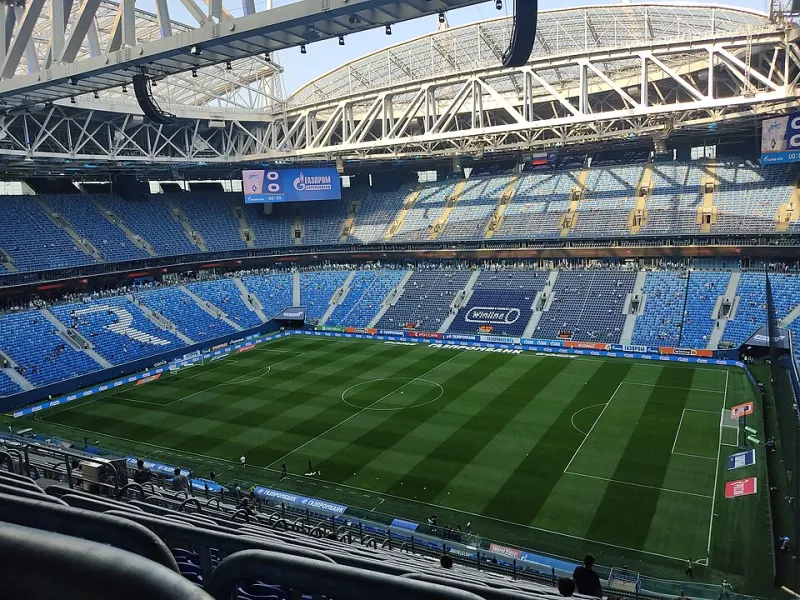
There is a particular kind of Westminster morning that now feels less like news and more like a fixture in a never-ending season. A poll drops. A seat projection follows. Someone somewhere is already pricing up the next leadership contest like it is a Champions League tie. By lunchtime, the question is not what a policy will do to the country, but what it will do to the numbers.
That is the tell. Britain has not simply become interested in polling. It has turned polling into the main event. The poll is no longer the weather forecast for an election; it is the weather, the pitch report and the half-time analysis all at once. And the more we consume politics this way, the less room we leave for the awkward, unglamorous business of actually governing.
The result is now a genre
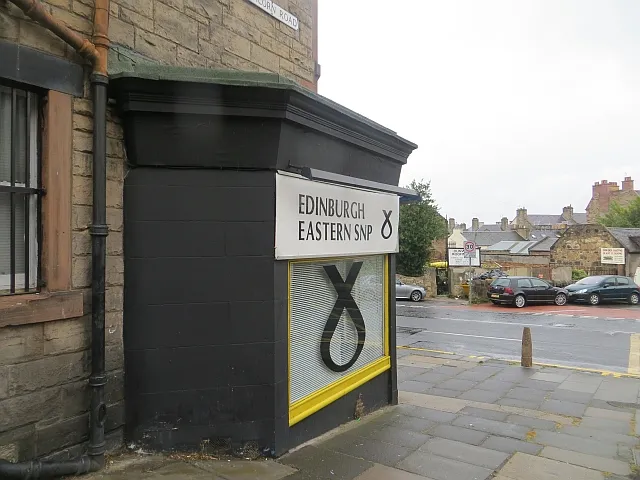
Political coverage has always loved a contest, and there is nothing wrong with that. Elections are contests. But there is a difference between reporting the race on race day and turning every ordinary Tuesday into a mini-election. Today, a two-point movement in the polls can generate a leadership crisis, a comeback narrative and three think-pieces before the sample size has even been properly digested. A by-election defeat is treated as a verdict on the entire governing project. A council seat flips and someone is immediately drawing arrows on a map of Britain like a general planning a campaign.
The problem is not that polls exist. The problem is that they have become the default lens through which everything else is viewed. A serious announcement about housing, skills or the NHS is quickly reframed as a 'reset' or a 'relaunch' — judged by whether it shifts the numbers, not whether it fixes anything. The policy becomes the content; the poll becomes the story. That is a strange way to run a country, let alone report on one.
A scoreboard that rewrites the game
Politicians are not passive victims of this. They read the same headlines we do. When coverage rewards movement, governments start governing for movement. Announcements are trailed, timed and packaged for the evening bulletin. Decisions are tested against swing-seat grids rather than long-term need. The permanent campaign does not begin when the election is called; it begins the moment the last one ends, and the polling industry provides the running commentary.
This is where the polling-industrial complex gets slippery. It is not a conspiracy; it is an ecosystem. Pollsters produce data, journalists need stories, commentators need angles, and social media needs a score. Everyone gets something. What gets lost is the space between a number and a decision — the place where actual trade-offs happen, where ministers have to choose between competing priorities, and where voters might reasonably want to know what is being done rather than who is up and who is down.
Cynicism with a side of snacks
The deeper cost is cultural. If politics is presented as a permanent horse race, it is hardly surprising that people start behaving like spectators rather than participants. Spectators boo. Spectators pick a favourite. Spectators switch off when the race looks settled. What they do not do is study the form guide and then turn up to help run the track.
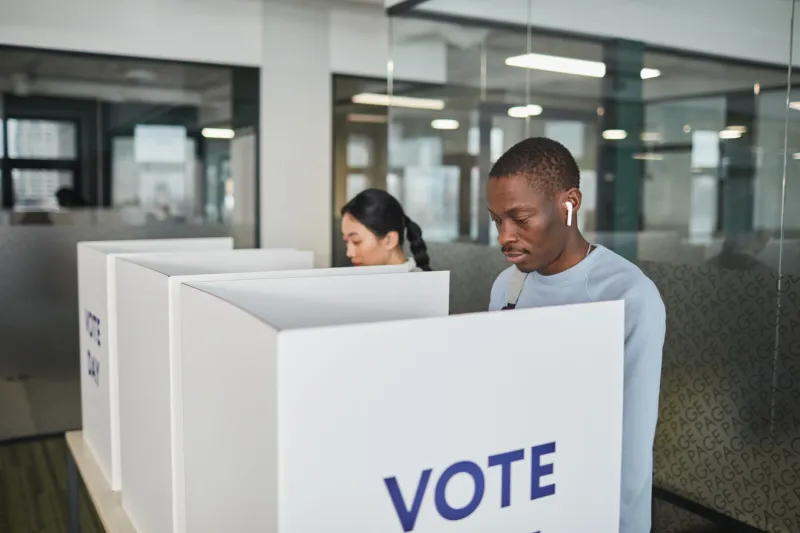
There is a fine line between healthy scepticism and full-blown fatalism, and Britain has been wobbling along it for years. When every poll is treated as a prophecy, and every projection as a verdict, politics starts to feel like something that happens to people rather than something they can shape. The irony is that the polling boom was supposed to make politics more accessible. Instead, it has often made it more theatrical — and theatre is much easier to walk out of than a polling station.
Polls are not the enemy — the monoculture is
None of this means polling should be binned. Good polling tells us things we cannot learn from a vox pop outside a supermarket. It can reveal what voters actually think about public services, immigration, the cost of living or the state of the constitution. MRP models can show where parties are strong and weak. Local polling can give a community a voice beyond the noise of Westminster. Used properly, polling is a thermometer, not a verdict.
The issue is the monoculture: the endless repetition of the same few numbers, stripped of caveats, treated as breaking news, and used to fill a 24-hour cycle that would otherwise have to talk about policy. Polling is at its best when it is contextualised — sample size, margin of error, question wording, fieldwork dates. It is at its worst when it is reduced to a graphic and a gif.
A modest detox
A healthier relationship with opinion data would not require anyone to stop polling. It would require editors to stop treating every poll as a final score. It would mean fewer 'poll of polls' headlines and more reporting on what the numbers actually say. It would mean treating seat projections as models, not destiny. It would mean retiring the phrase 'leadership odds' from political journalism, where it belongs alongside astrology and transfer gossip.
Most of all, it would mean giving equal weight to the things that do not move numbers quickly: the quietly competent bill, the messy compromise, the policy that will take a decade to show up in anyone’s life. Those things are harder to package. They do not produce a neat little graphic. But they are the actual match. The rest is just the scoreboard.
Britain does not need to stop predicting the result. It needs to remember that prediction is not participation, and that the polling station is not a television studio. The country is not a permanent election. It is a place where people live, work and wait for buses. It would be nice if our political coverage occasionally remembered that.