The Waiting Room of Last Resort: How MP Offices Became Britain’s Shadow Emergency Service
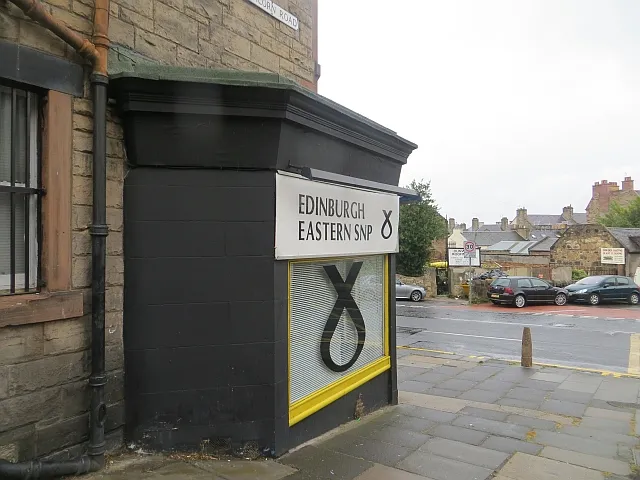
Photo: Richard Webb , CC BY-SA 2.0, via Wikimedia Commons
On a damp Monday in a constituency office somewhere in the Midlands, the phone starts at 9am. A woman is hours from eviction. A man’s Universal Credit has stopped without explanation. A family cannot get a passport for a child who needs to travel. None of this is the MP’s fault. All of it lands on the MP’s desk.
That is casework: the surgery appointments, the inbox, the Friday afternoon pile of forms. It is meant to be a safety valve, a human backstop for the odd bureaucratic knot. In 2026 it is something else — a shadow emergency service, staffed by exhausted caseworkers and held together by the public’s last shred of patience.
The valve has become the system
Ask anyone who has worked in a constituency office and they will tell you the same story. Housing cases that should sit with the council’s homelessness team. Benefit appeals that should never have been refused. Immigration queries that the Home Office has parked in a queue. NHS complaints that have bounced between trusts. These are not rare exceptions. They are the daily grind.
The reasons are not mysterious. Local advice infrastructure has been hollowed out. Citizens Advice bureaux, law centres and independent advice agencies have spent years trimming services and turning people away. Council customer service has moved online, then behind chatbots, then behind a form that times out. Legal aid has shrunk. The result is a gap that constituents fill by writing to their MP.
MPs have become the last general-purpose emergency service in the country. They are not trained for it. Their staff are not paid for it. But the alternative is often nobody.
What it does to scrutiny
There is a quiet cost to this. Every hour a caseworker spends chasing a housing officer is an hour not spent on policy research. Every Friday an MP spends on surgeries is a Friday not spent holding a department to account. Casework is vital, but it is also a giant sponge that soaks up parliamentary time.
It also distorts what MPs hear. The people who write to their MP are the ones who have hit a wall. They are not a representative sample of the constituency. They are the ones with the stamina, the literacy and the luck to find the right form. The quieter crises — the people who give up — never make it into the file.
And casework is invisible in the metrics that matter. It does not show up in Hansard. It rarely makes the local paper. It is a private service performed in public. That makes it easy for ministers to ignore the pattern behind the individual stories: the same benefit error, the same housing failure, the same immigration delay, repeated thousands of times.
The staff are not alright
Caseworkers absorb other people’s emergencies for a living. They listen to eviction threats, benefit sanctions and medical crises. They chase departments that do not call back. They are often on temporary contracts, paid modestly, and expected to be social workers, legal advisers and therapists at once.
Burnout is not a buzzword here. It is a staffing strategy. When someone leaves, the cases get redistributed. When the office is short, the phone still rings. The result is a service that depends on the goodwill of people who are themselves running on empty.
There is also a security dimension. Constituency offices handle highly personal data and increasingly angry correspondence. Staff deal with people in crisis, sometimes with nowhere else to go. The physical and emotional load is real, and it is not going away.
Rebuilding the front line
The answer is not to tell MPs to stop doing casework. People need help. The answer is to rebuild the advice infrastructure that should catch them before they reach Westminster.
That means stable funding for independent advice services, not another one-year grant. It means legal aid that actually covers the problems people have. It means council customer services that answer the phone and own a problem when they hear it. It means a ‘no wrong door’ principle that is real, not a slogan on a leaflet.
MPs should be an escalation route, not a first responder. Their offices should be able to say: this is a housing case, here is the number for the council’s homelessness team, and here is the advice agency that will help you fill in the form. That sounds unglamorous. It is also how a functioning state is supposed to work.
Until then, the constituency office will keep ringing. The caseworker will keep listening. And the gap between what public services promise and what they deliver will keep being patched up by the last emergency service nobody planned for.