A Pint of Sentiment Won’t Pay the Energy Bill
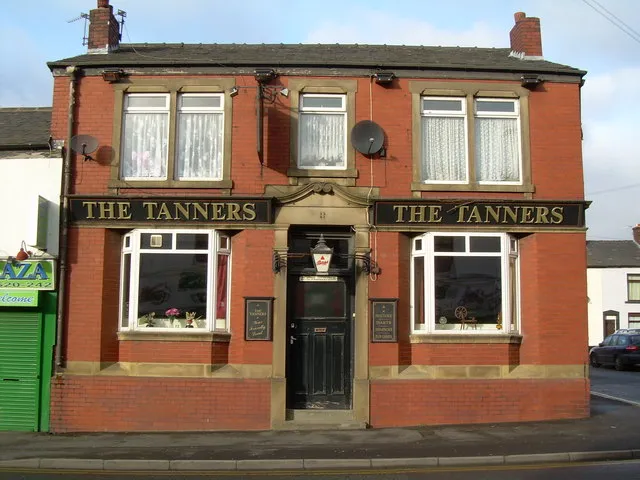
Photo: ANDY RAMMY, CC BY-SA 2.0, via Wikimedia Commons
There is a particular kind of speech a politician makes about pubs. It involves the words “heart of the community”, a fond reference to a landlord called Dave, and a promise to “back our locals”. It is warm, well-meaning and almost entirely disconnected from the spreadsheet that the actual landlord is staring at on a Tuesday afternoon.
Because here is the awkward bit: the pub is not a community hub that happens to sell beer. It is a business that happens to create community. And the policy environment around it — business rates, energy contracts, planning rules, employment costs, alcohol duty — is not designed around the warm speech. It is designed around the assumption that pubs are either cash cows or heritage assets, depending on which department you ask.
The Rhetoric Is Warm, the Policy Is Cold
Councils love an Asset of Community Value listing. It sounds decisive. It suggests that when a pub goes up for sale, the community gets a shot at buying it. What it does not do is pay the gas bill. Nor does it fix the fact that a wet-led pub in a market town can pay more in business rates than a distribution warehouse on the ring road, or that a tied tenant can be charged prices by a pub company that make the whole enterprise feel like a second job with worse hours.
Ministers have spent years describing hospitality as “social infrastructure” while treating it, fiscally, like a mild nuisance. The energy crisis of 2022 was a useful stress test. Pubs that had survived Covid discovered that their new contract rates were not a temporary blip but a structural problem. Some got help. Many did not. The ones that did often found the support was a loan against future earnings, which is another way of saying a bet that things would get better. They didn’t, particularly.
The Museum Trap
There is a tempting alternative narrative: save the pub by freezing it in amber. Campaigners fight change-of-use planning applications. Communities crowdfund to buy their local. The pub becomes a community-owned asset, run by a committee, serving coffee mornings and quiz nights and perhaps a small selection of ales. Some of these succeed. Many do not. The ones that fail tend to fail for the same reason any business fails: not enough revenue, too much overhead, and a governance model that makes swift decisions difficult.
Romanticising the local is not the same as saving it. In fact, the two can be in tension. If the only acceptable version of a pub is the one that existed in 1974 — same layout, same function, same pricing — then you are not protecting a business. You are curating an exhibit. And exhibits need funding. When the funding runs out, the exhibit closes.
Let Pubs Act Like Businesses
A functioning hospitality policy would start by admitting that pubs need to adapt. Some will become food-led. Some will become work-from-home offices with a licence. Some will close, and that is not a policy failure if the alternative was a slow, subsidised decline. The point is to remove the obstacles that stop pubs from responding to their own customers.
That means planning rules that do not force a six-month battle to put a coffee machine in the corner. It means business rates that reflect actual turnover rather than a notional rental value from 2015. It means energy contracts that do not treat a small pub like a speculative hedge fund. It means a review of the tied model that is honest about who bears the risk. And it means recognising that a pub’s social value is a byproduct of its commercial viability, not a substitute for it.
The Community Is Real — But It Needs a Balance Sheet
The annoying thing for the romantics is that they are half right. Pubs do create community. They host the wake, the post-match pint, the first date, the quiet pint after a bad day. That is real. But it happens because the lights are on and the doors are open. It does not happen because a council motion described the building as a hub.
So by all means, raise a glass to the local. But do not mistake sentiment for strategy. The pub does not need another plaque. It needs a tax system that does not punish it, an energy market that does not fleece it, and a planning regime that lets it change with the times. Save the pub by letting it be a pub — not a monument to a version of Britain that no longer pays the bills.